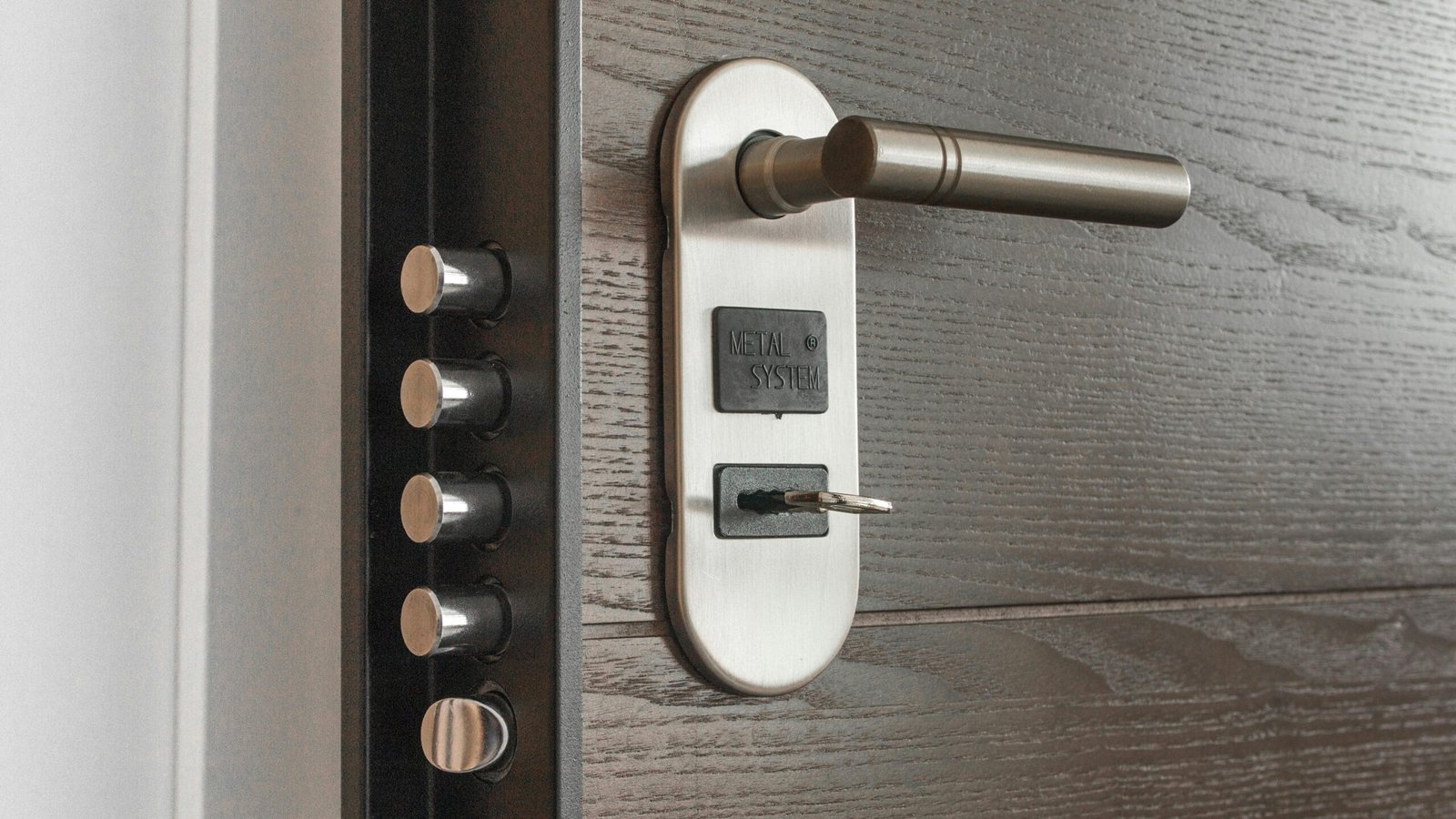
In Dubai, landlords cannot legally lock out a tenant without following the proper eviction procedures. Attempting to do so is a violation of Dubai’s rental laws and can lead to legal consequences for the landlord. Instead, landlords must go through the legal eviction process to remove a tenant from the property.
This article explains why lockouts are illegal in Dubai, what alternatives landlords have, and the proper steps to evict a tenant lawfully.
Is Locking Out a Tenant Legal in Dubai?
No, landlords cannot lock out a tenant from a rental property, regardless of the reason. This includes:
❌ Changing the locks without notice
❌ Cutting off water, electricity, or other utilities
❌ Physically preventing a tenant from entering the property
Under Dubai’s Tenancy Law (Law No. 26 of 2007, amended by Law No. 33 of 2008), any eviction must follow proper legal channels. A landlord who locks out a tenant without a court order can face penalties, fines, or legal action from the tenant.
What Should a Landlord Do Instead of Locking Out a Tenant?
If a tenant fails to pay rent or violates the tenancy contract, the landlord must follow these steps to legally remove them:
1. Issue a 30-Day Written Notice (For Rent Arrears or Contract Violations)
- If the tenant has not paid rent or breached the lease, the landlord must send a formal 30-day notice.
- The notice must clearly state the reason for eviction and give the tenant time to comply.
2. Serve a 12-Month Notice (For Property Sale or Personal Use)
- If the landlord wants to sell the property or use it for personal reasons, they must provide the tenant with a 12-month notarized notice.
- The notice must be sent via a public notary or registered mail.
3. File a Case with the Rental Dispute Settlement Center (RDSC)
- If the tenant refuses to vacate, the landlord must file a complaint with the Dubai Rental Dispute Settlement Center (RDSC).
- The RDSC will review the case and issue a legal eviction order if the claim is valid.
4. Obtain a Court-Ordered Eviction
- If the tenant still does not leave, the landlord can request a court enforcement order to proceed with eviction through the authorities.
- Only after obtaining this order can the landlord legally remove the tenant.
What Are the Consequences of Illegally Locking Out a Tenant?
If a landlord forcibly locks out a tenant without a court order, the tenant has the right to:
✅ File a complaint with the Dubai Rental Dispute Settlement Center (RDSC)
✅ Report the case to the Dubai Police
✅ Take legal action against the landlord for damages
Landlords found guilty of illegal eviction may face:
⚠ Fines and legal penalties
⚠ Compensation claims from the tenant
⚠ Reversal of the eviction order
Final Thoughts
In Dubai, landlords cannot lock out tenants or force them to vacate without a legal eviction order. Instead, they must follow the proper legal procedures through the RDSC and the Dubai courts.
For landlords, understanding the correct eviction process helps avoid legal trouble and ensures a smooth and lawful resolution. For tenants, knowing their rights can help protect against illegal eviction and ensure fair treatment.
If you’re a landlord dealing with a tenant dispute, or a tenant facing unlawful eviction, seeking legal guidance is always the best course of action.